
Athletic Mouthguards in Hermitage: Why Custom Protection Matters for Sports
July 17, 2026 9:00 amA mouthguard can seem like a small piece of equipment until an elbow, ball, or shoulder catches someone in the face. Then the difference between wearing one and leaving it in the gym bag becomes painfully clear.
Sports-related dental injuries are not limited to football or hockey. Basketball, baseball, soccer, wrestling, volleyball, martial arts, gymnastics, skateboarding, and cycling can all put the teeth at risk. Even in a sport without regular contact, one fall or collision may be enough to chip, loosen, or completely knock out a tooth.
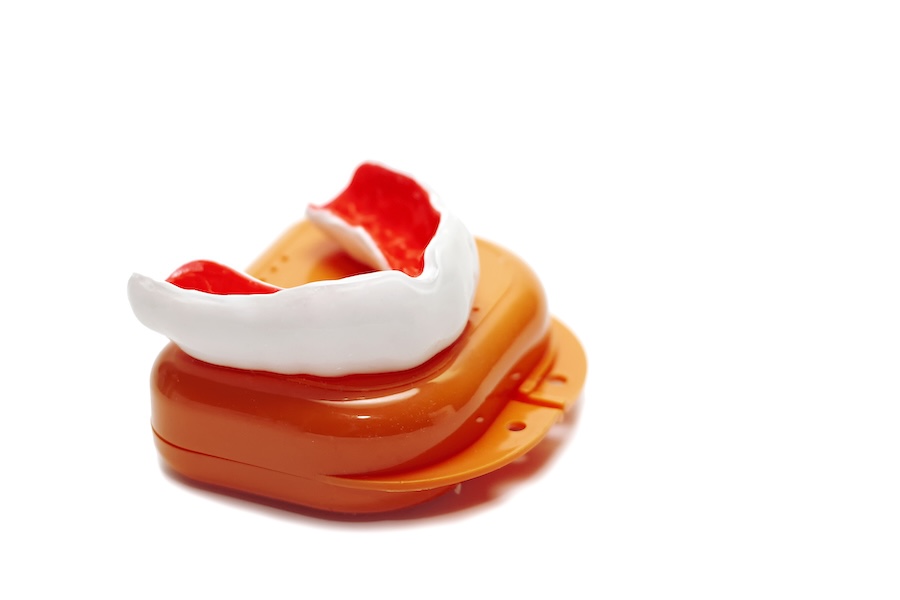
At Hermitage Family & Cosmetic Dentistry in Hermitage, TN, Dr. Aileen Kruger and Dr. Taylor King make custom athletic mouthguards for children, teenagers, and adults. A custom guard is shaped around the athlete’s teeth and bite, which helps it stay in place while they breathe, speak, and focus on the game.
What an Athletic Mouthguard Protects
An athletic mouthguard covers the upper teeth, which usually face the greatest risk during a blow to the mouth. It creates a layer between the teeth and the object, person, or surface involved in the impact.
That layer helps absorb and spread some of the force. It may reduce the chance or severity of chipped teeth, broken teeth, displaced teeth, and injuries to the lips and cheeks.
A mouthguard cannot prevent every injury. A strong impact can still damage a tooth, jaw, or surrounding tissue, but the teeth are better protected than they would be without one.
Dental Injuries Do Not Always Look Dramatic
A sports injury does not have to leave a tooth on the ground to cause trouble. A small chip may expose a rough edge, while a crack can create pain only when the athlete bites a certain way. A tooth may also be pushed slightly out of position without looking obviously damaged.
Sometimes the first sign appears later. The tooth may become sensitive, darken, or begin aching days or weeks after the accident. An injured nerve can take time to show symptoms, especially when the tooth stayed in place.
That is why a hard hit to the mouth is worth mentioning even when everything looks normal. Dr. Kruger or Dr. King can check the tooth, bite, gums, and supporting bone and decide whether X-rays or follow-up are needed.
Why Fit Makes Such a Difference
A mouthguard only helps when the athlete wears it. If it feels bulky, drops away from the teeth, or makes breathing difficult, it tends to come out during water breaks and stay out when play resumes.
A custom guard is made from a scan or impression of the athlete’s mouth. It fits closely over the teeth instead of relying on a general size or a quick at-home molding process. The guard should stay in place without constant clenching.
A secure fit also leaves more room for the tongue. That can make it easier to speak to teammates, call a play, and breathe through the mouth during hard activity. Those details may sound small in the dental chair, but they become much more noticeable halfway through a game.
Stock Mouthguards Are Made for a General Fit
Stock guards come ready to wear in a limited range of sizes. They are usually inexpensive and easy to find, but they cannot adapt closely to each athlete’s teeth.
Because the fit is loose, the athlete may need to bite down to hold the guard in place. That can make talking and breathing feel awkward. Younger athletes are especially likely to chew on a guard, push it around with the tongue, or remove it when it becomes distracting.
A stock guard is still preferable to no protection when another option is not available. Still, a guard that spends most of practice tucked into a sock or helmet is not doing much for the teeth.
Boil-and-Bite Guards Offer a Closer Fit
Boil-and-bite mouthguards soften in hot water and are shaped around the teeth at home. They can fit better than a stock guard when the instructions are followed carefully.
The result varies, though. The material can become too thin over certain teeth, fold along the edges, or lose its shape if the athlete bites unevenly during molding. It may also loosen as it wears.
For occasional recreational activity, a boil-and-bite guard may be a reasonable starting point. Athletes who play regularly, have braces, or have already experienced a dental injury may benefit more from a guard made and checked at the dental office.
A Custom Mouthguard Is Built Around the Athlete
A custom guard begins with the athlete’s actual tooth positions and bite. That allows the material to be shaped more evenly around the teeth instead of being stretched during home molding.
Dr. Kruger or Dr. King can also account for the sport being played. A guard for a recreational cyclist may not need the same design as one made for football, wrestling, or martial arts. Age, dental work, tooth position, and previous injuries can also affect the plan.
Custom-made sports mouthguards are designed to resist deformation, remain secure, and reduce the risk of dental trauma while allowing the athlete to function normally during play.
Athletes Need to Breathe and Communicate
A mouthguard should not turn every sentence into guesswork. Coaches need to understand the athlete, teammates need to hear calls, and the athlete needs to breathe without fighting the appliance.
A loose guard can move whenever the mouth opens. The athlete may then keep the jaw partly closed or clench the teeth to hold it in place. That gets tiring and makes the guard feel like one more thing to manage during the game.
A close-fitting custom guard stays over the teeth when the athlete speaks or takes a breath. It may still take a short time to get used to, but it should not need to be held in place with constant biting.
Mouthguards Are Not Only for Contact Sports
Football, boxing, hockey, lacrosse, and martial arts have obvious risks because contact is part of the sport. However, many dental injuries happen in activities that are described as limited-contact or noncontact.
Basketball players can take an elbow during a rebound. Baseball and softball players face fast-moving balls and bats. Gymnasts, skateboarders, cyclists, and cheerleaders can fall onto a hard surface.
The better question is not whether contact is written into the rules. It is whether the athlete could be hit in the mouth, collide with another person, or fall while moving at speed. When the answer is yes, a mouthguard is worth considering.
Braces Need Their Own Kind of Protection
Braces add another concern during sports. A blow to the mouth can press the brackets and wires into the lips or cheeks, creating cuts along with the dental injury.
The guard needs enough room to fit over the braces without pressing tightly against them. It also has to allow for tooth movement during orthodontic treatment. A guard that fit several months ago may become too tight as the teeth shift.
Tell Dr. Kruger or Dr. King about active orthodontic treatment when the guard is being planned. The fit should be checked during treatment, especially after major tooth movement or a change in the appliance.
Growing Athletes Need Regular Fit Checks
Children and teenagers do not keep the same tooth positions forever. Baby teeth fall out, permanent teeth erupt, jaws grow, and orthodontic treatment may change the bite.
A mouthguard that becomes tight, loose, or difficult to seat should not be forced into place. It may no longer cover the teeth correctly, and a tight edge can irritate the gums.
Bring the guard to routine dental visits so the fit can be checked. Depending on the child’s growth and dental development, it may need adjustment or replacement before the next season.
Crowns, Bridges, and Other Dental Work Need Protection Too
Dental restorations are made for normal biting and chewing, but a direct sports impact is different. A crown can chip, a filling can fracture, and the natural tooth beneath a restoration may crack.
A custom guard can be shaped around crowns, bridges, implants, or other dental work. The fit needs to be secure without placing too much pressure on a vulnerable restoration.
Tell the office about recent dental treatment before a new guard is made. A filling, crown, orthodontic change, or missing tooth can alter the fit enough that an older guard no longer seats correctly.
What Getting a Custom Mouthguard Involves
The visit begins with a check of the teeth and gums. Active decay, a loose tooth, broken dental work, or another problem may need attention before the final guard is made.
Next, the team takes a digital scan or impression of the teeth. The mouthguard is then made to match that shape and provide the amount of coverage needed for the athlete.
At the fitting, Dr. Kruger or Dr. King checks whether the guard seats fully and stays in place when the athlete opens their mouth. Any sharp edge, pressure point, or area that feels too bulky can be adjusted.
Getting Used to the Guard Before Game Day
The first time wearing a new mouthguard should not be during the biggest game of the season. Practice with it at home and during training so speaking and breathing begin to feel normal.
Wear it during drills, running, or light activity before using it in competition. This gives the athlete time to notice a rough edge or pressure spot while there is still time to have it adjusted.
A little extra saliva is common at first. That usually settles as the mouth becomes familiar with the appliance. A guard that causes gagging, pain, or repeated breathing trouble should be checked rather than quietly abandoned.
How to Clean an Athletic Mouthguard
Rinse the mouthguard with cool or lukewarm water after each use. Brush it gently with a soft toothbrush, then allow it to dry before placing it in the case.
The storage case should have ventilation and should be cleaned regularly. A damp guard sealed inside a dirty case can develop odor and buildup surprisingly quickly.
Keep the mouthguard away from hot water, direct sunlight, and hot cars. Heat can distort the material and change the fit. It should also stay away from pets, who have a remarkable ability to find expensive dental appliances.
When a Mouthguard Needs to Be Replaced
Deep bite marks, tears, thinning material, or rough edges are signs that a guard is wearing out. A damaged guard may no longer spread force evenly across the teeth.
The guard should also be replaced when it becomes loose or stops seating completely. Growth, orthodontic movement, and new dental work can all change the fit.
Athletes who clench or chew heavily on their guards may wear through them sooner. Bring the appliance to dental checkups so Dr. Kruger or Dr. King can see whether it is still providing useful coverage.
What to Do After a Hit to the Mouth
Stop play and check for bleeding, broken teeth, loose teeth, or a change in the bite. Remove the mouthguard carefully and look for tooth pieces inside it.
A tooth that has been completely knocked out needs immediate attention. Pick it up by the white crown, avoid touching the root, and place a permanent tooth back into the socket when that can be done safely. Otherwise, keep it in milk or an appropriate tooth-preservation solution and call a dentist right away.
Even when the tooth stayed in place, pain, movement, a visible crack, or a bite that suddenly feels different should be checked. Bring the mouthguard to the visit because its damage may help show where the impact landed.
Custom Athletic Mouthguards at Hermitage Family & Cosmetic Dentistry
A mouthguard works best when it fits well enough that the athlete can forget about it and focus on the game. A secure fit can make breathing, talking, and wearing the guard through an entire practice or competition much easier.
At Hermitage Family & Cosmetic Dentistry in Hermitage, TN, Dr. Aileen Kruger and Dr. Taylor King can create a custom mouthguard around the athlete’s teeth, bite, dental work, and sport. They can also check an older guard that feels loose, tight, rough, or worn down.
Bring the athlete in before the season starts, after orthodontic changes, or anytime the current guard no longer feels right. We’ll help make sure the fit is comfortable, the coverage is appropriate, and the mouthguard is ready when the next practice or game begins.
Categorised in: Athletic Mouthguards