
Dental Veneers vs. Teeth Whitening: Choosing the Right Cosmetic Treatment
August 21, 2026 9:00 amSometimes the thing bothering you about your smile is pretty clear. Maybe your teeth have gotten darker over the years, coffee has left more of a mark than you would like, or one front tooth looks a little different from the rest. But once you start thinking about cosmetic treatment, another question usually comes up: would whitening be enough, or would veneers do more of what you want?
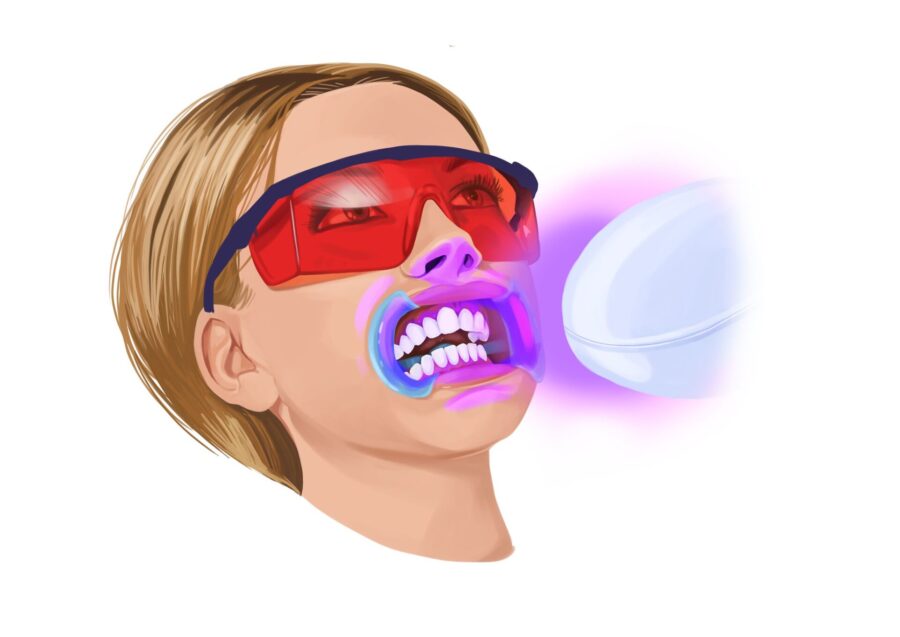
ZOOM! whitening can make a noticeable difference when the main issue is color, especially if you already like the shape and spacing of your teeth. Veneers can also brighten the smile, but they can do more when a tooth is chipped, worn, uneven, or shaped differently from the teeth around it. So, the choice usually depends on whether you are mainly trying to change the shade or whether there are a few other details you want to improve at the same time.
At Hermitage Family & Cosmetic Dentistry in Hermitage, TN, Dr. Aileen Kruger and Dr. Taylor King offer both ZOOM! whitening and veneers. Sometimes whitening is enough on its own, while other times one or two teeth still need more because of their shape or color. In those cases, the treatments can also be combined so you are not treating every visible tooth the same way.
Dental Veneers vs. Teeth Whitening
Teeth whitening works with the enamel you already have, so it changes the shade without changing the shape of the tooth. If your teeth are healthy, fairly even, and you mostly wish they looked brighter, ZOOM! whitening may be enough. It can lift years of staining while keeping the smile looking like your own.
Veneers take a different approach because they cover the front surface of selected teeth. That means they can change color, but they can also adjust the visible shape, length, or width of a tooth. So, if a front tooth is chipped, a little too short, or noticeably different from the one beside it, a veneer can address more than whitening can.
There is also a difference in how much treatment is involved. Whitening does not require removing enamel, while traditional veneers often require some tooth preparation so they fit naturally. Because of that, whitening is usually the more conservative option when color is the main concern.
But if the thing bothering you is not just the shade, whitening may only get you part of the way there. A worn edge will still be worn, and a small gap will still be there. That is where veneers may be the better fit.
When ZOOM! Whitening May Be Enough
ZOOM! whitening can work well when your teeth have gradually darkened from coffee, tea, wine, tobacco, or normal aging. Maybe the whole smile looks a little more yellow than it used to, but the teeth themselves still look even and healthy. In that case, changing the shade may be all you need.
It can also work well when the color change is spread across several teeth rather than concentrated in one spot. Instead of trying to correct one unusual tooth, whitening can brighten the visible teeth together. Then, because the shape stays the same, the result still feels familiar.
Crowns, veneers, and tooth-colored fillings are different because they will not change shade with whitening. So, if you have a restoration on a front tooth, Dr. Kruger or Dr. King will look at how it may blend once the surrounding enamel becomes lighter. Sometimes it still matches well, while other times the color difference becomes more noticeable.
A single dark tooth can also behave differently from the rest of the smile. If it changed color after an injury or another dental issue, regular whitening may not affect it the same way. Dr. Kruger or Dr. King can check what caused the discoloration first, then explain whether whitening, a veneer, or another option is more likely to blend that tooth with the others.
When Veneers May Make More Sense
Veneers are often considered when color is only one part of what you want to change. Maybe one tooth is chipped, another looks shorter than the rest, or a small gap keeps catching your eye. Whitening can brighten those teeth, but it will not change their shape.
Because a veneer covers the front of the tooth, Dr. Kruger or Dr. King can adjust the visible outline along with the shade. That can help with small chips, worn edges, mild shape differences, or discoloration that does not blend well with the rest of the smile. In some cases, treating only one or two teeth can make enough of a difference.
Still, veneers are a bigger commitment than whitening. Some enamel may need to be removed, and once a tooth has been prepared for a veneer, it will usually continue to need a veneer or another restoration in the future. So, it makes sense to use them when they are doing something that whitening cannot.
If you already like the shape of your teeth, you may not need veneers at all. But if one or two teeth keep standing out because of a chip, uneven edge, or stubborn color difference, veneers can focus on those teeth instead of changing the entire smile.
Which Stains Respond to Whitening?
Surface stains from coffee, tea, wine, tobacco, and certain foods often respond well to professional whitening. Teeth that have become more yellow over time may brighten nicely too. With ZOOM! whitening, Dr. Kruger or Dr. King can talk with you about the kind of shade change you may be able to expect.
Gray or brown discoloration can be more stubborn, especially when the color sits deeper inside the tooth. Past trauma can also darken a tooth in a way that does not respond the same way as everyday staining. Certain medications taken while teeth were developing can create deeper color changes too.
If one tooth is much darker than the others, it is better to find out why before whitening the rest of the smile. Sometimes the tooth is healthy and the issue is mostly cosmetic, but sometimes there is an old injury or another dental problem behind the color. Once that is clear, the treatment options make more sense.
Whitening may still improve the tooth, or a veneer may give a closer color match. In some cases, another dental treatment may need to happen first. Dr. Kruger or Dr. King can explain what the tooth needs before the cosmetic part begins.
What Veneers Can Change Besides Color
Veneers can change the visible shape of a tooth, so they are often used when front teeth are uneven in length or have small chips. If one tooth looks shorter than the others, a veneer can add visible length. If an edge looks worn or rough, the shape can be rebuilt so it blends better with the surrounding teeth.
Small gaps can sometimes be reduced with veneers too. By changing the width of a tooth slightly, the space can look smaller or close altogether. If the spacing is larger or connected to the way the teeth line up, however, orthodontic treatment may make more sense.
Worn front teeth are another reason veneers may come up during a cosmetic consultation. Grinding and clenching can gradually flatten the edges and make the teeth look shorter. If Dr. Kruger or Dr. King sees that kind of wear, they will also want to address the pressure that caused it.
That may mean wearing a nightguard after treatment. Otherwise, the same grinding that wore down the natural teeth can keep putting pressure on the veneers. Protecting the restorations can help them stay in better shape.
Which Option Can Look More Natural?
Both ZOOM! whitening and veneers can look natural, but they get there in different ways. Whitening keeps the exact shape of your natural teeth and changes only the shade. So, if you already like the proportions of your smile, the result tends to look like a brighter version of what you already have.
Veneers give you more control over the shape and color of individual teeth. A front tooth can be made a little longer, an edge can be evened out, or a slightly narrow tooth can be widened. The goal is to make those changes blend with the teeth around them rather than make every tooth look identical.
Some patients want a noticeable cosmetic change, while others want something more subtle. That difference can affect the shade you choose and how many teeth are treated. So, it helps to be clear about how much change you actually want before treatment starts.
In some cases, ZOOM! whitening across the smile and one or two veneers gives the best balance. The whitening handles the overall color, while the veneers take care of the teeth that need more than a shade change. That can keep treatment focused on the areas that are actually bothering you.
How Long ZOOM! Whitening Results Last
Whitening results gradually fade because your teeth keep coming into contact with foods and drinks that stain. Coffee, tea, wine, tobacco, and darker foods can all shift the shade again over time. How quickly that happens depends on your habits.
If you drink coffee every morning, you may notice the color changing sooner than someone who rarely drinks dark beverages. Regular brushing and dental cleanings can help with surface buildup, but they cannot prevent every stain. So, occasional touch-ups may be part of keeping the shade where you like it.
Dr. Kruger or Dr. King can tell you when a touch-up makes sense for the ZOOM! system you use. Whitening too often can increase sensitivity and irritate the gums, so there is no need to repeat it more often than recommended. A maintenance schedule can be based on how quickly your teeth pick up color again.
If your teeth are already sensitive, mention that before treatment starts. The whitening plan can be adjusted around how your teeth usually respond. That can help reduce the chance that cold drinks become uncomfortable afterward.
How Long Veneers Last
Veneers are built to stay in place for years, but they are still restorations that take the same daily wear as the rest of your teeth. The material can chip or wear, and the natural tooth around the edges can still develop decay. So, brushing, flossing, and regular dental visits stay part of your routine.
The way you use your front teeth can affect them too. Nail biting, chewing ice, or using your teeth to tear open packaging puts extra pressure on the edges. Those habits can damage natural teeth as well, but veneers can chip if they take enough force.
Grinding and clenching can add stress night after night. If Dr. Kruger or Dr. King sees signs of heavy wear, they may recommend a nightguard after the veneers are placed. That can protect both the restorations and the natural teeth around them.
Eventually, a veneer may need to be replaced because of wear, damage, or changes in the surrounding teeth. That long-term commitment is part of the decision. It is also one reason veneers tend to make more sense when they are fixing something whitening cannot change.
What About Tooth Sensitivity?
ZOOM! whitening can cause temporary sensitivity, especially to cold drinks or air. Some people barely notice it, while others feel more sensitivity during treatment or for a short time afterward. In most cases, it settles once the whitening period is over.
If you already have sensitive teeth, tell Dr. Kruger or Dr. King before you begin. They can talk with you about what to expect and whether anything should be adjusted. A toothpaste made for sensitive teeth may also be recommended before or after whitening.
Veneers can cause some temporary sensitivity too, particularly if enamel has been removed during preparation. The tooth may react more to temperature for a while after the veneer is placed. If sensitivity keeps getting stronger or does not settle, call the office so the tooth can be checked.
If cold drinks already bother you now, bring that up early. It gives Dr. Kruger or Dr. King more information to work with when planning either treatment. Then sensitivity can be considered before you get started rather than after.
Can You Whiten First and Get Veneers Later?
Yes, and that order can work well when only a few teeth need veneers. ZOOM! whitening can brighten the natural teeth first, and then the veneers can be matched to the new shade. That helps the restorations blend with the color you actually want.
There is usually a short wait before the final veneer shade is selected because tooth color can shift a little right after whitening. Once the shade settles, Dr. Kruger or Dr. King can match the veneer more accurately. Then the final restoration is less likely to look off next to the surrounding teeth.
Whitening first can also reduce the number of veneers you need. The overall smile may brighten enough that only one chipped or darker tooth still stands out. In that case, the veneer can be limited to the tooth that needs more than whitening.
Because veneers do not respond to whitening, it makes sense to brighten the natural teeth before choosing the final veneer shade. Then the veneer can be matched to that color from the start. Future whitening touch-ups can be planned around the shade of the veneer.
What if You Already Have Crowns or Fillings?
ZOOM! whitening changes natural enamel, but it does not change the shade of crowns, veneers, or tooth-colored fillings. If those restorations are farther back in the mouth, you may not notice a difference. If one is on a front tooth, however, it may stand out more once the surrounding teeth brighten.
That does not automatically mean the restoration needs to be replaced. Sometimes the color difference is small enough that it still blends well. Dr. Kruger or Dr. King can look at where the restoration sits and how much whitening you want before deciding whether anything else needs to be done.
If an older front restoration already needs replacement, whitening first can make shade matching easier. Once the natural teeth reach the color you want, the new crown or filling can be made to match them. That keeps the final shade consistent across the visible teeth.
The same applies if veneers are being planned. Since veneers will not lighten later, choosing the overall smile shade first can make the final result easier to match. That is one reason the order of treatment can be important.
How to Choose Between Veneers and ZOOM! Whitening
If your teeth are shaped the way you like and your main concern is color, ZOOM! whitening may be enough. It keeps the natural tooth structure intact and focuses on making the enamel brighter. For many people, that is the whole change they were hoping for.
If you also notice a chip, worn edge, small gap, or uneven tooth, veneers give you more options. They can change shape and color at the same time. But because they involve a restoration, they are a bigger commitment than whitening.
Sometimes the choice becomes clearer after whitening. Once the overall smile is brighter, you may find that only one or two teeth still bother you. Then veneers can be used on those teeth rather than across the whole smile.
Dr. Kruger and Dr. King can look at the teeth you want to change and explain what each treatment can realistically do. From there, you can compare whitening, veneers, or a combination based on the changes you actually want to see.
Common Questions About Veneers and Teeth Whitening
Should I Try ZOOM! Whitening Before Getting Veneers?
If color is one of your main concerns, whitening first may make sense. You may find that once the teeth are brighter, you are happier with the overall smile than you expected. Then you can see whether any individual teeth still need more than a shade change.
If veneers are still part of the plan, Dr. Kruger or Dr. King can match them to the new color. The teeth usually need a little time after whitening before the final shade is selected. That helps the veneer blend better with the surrounding teeth.
Can Veneers Be Whitened Later?
No, whitening products do not change the color of veneers. The shade is chosen when the veneers are made and stays relatively stable. So, if you want your natural teeth brighter, it is better to do that before the veneers are placed.
Natural teeth can still be whitened later, but the veneers will stay the same shade. Because of that, touch-ups need to be planned around the restorations. Dr. Kruger or Dr. King can help you maintain a shade that keeps everything blending well.
Will ZOOM! Whitening Fix One Dark Tooth?
It depends on why the tooth is dark. Surface staining may respond well, but a tooth that changed color after trauma can behave differently. A single dark tooth should be evaluated before you decide how to whiten it.
Dr. Kruger or Dr. King can check what may be causing the color change. Whitening may still help, or a veneer or another treatment may provide a better match. Once the cause is clear, it is easier to choose the right approach.
Do Veneers Damage Natural Teeth?
Traditional veneers often require some enamel removal so they can fit without making the tooth look bulky. Once that enamel has been removed, the tooth will generally continue to need a veneer or another restoration. So, veneers are considered a long-term treatment choice.
If whitening can give you the change you want, you may not need that level of treatment. Veneers become more useful when the tooth needs shape or color changes that bleaching cannot provide. Dr. Kruger or Dr. King can explain how much preparation your teeth would need before you decide.
How White Should I Make My Teeth?
There is no single shade that looks right on every smile. Skin tone, tooth shape, age, and nearby dental work can all affect how a shade looks. The brightest possible shade is not automatically the best one.
Some patients want a noticeable difference, while others prefer a smaller change that still looks familiar. ZOOM! whitening can brighten the natural teeth, while veneers allow more control over the final shade. Dr. Kruger or Dr. King can help you choose a color that fits the rest of your smile.
Can I Get Veneers on Only a Few Teeth?
Yes, veneers can be placed on only the teeth that need them. If one or two teeth are chipped, uneven, or discolored, there may be no reason to cover the rest. The surrounding teeth still need to be considered so the color and shape blend well.
Whitening first can sometimes make that easier. Once the natural teeth are brighter, the veneers can be matched to the new shade. Then treatment stays focused on the teeth that need more than whitening.
Which Costs Less: Veneers or ZOOM! Whitening?
ZOOM! whitening generally costs less because it does not involve custom restorations for individual teeth. Veneers require more planning, tooth preparation, and laboratory work, and the total cost depends on how many teeth are treated. So, the difference can add up when several veneers are being considered.
Whitening will not repair a chipped tooth or change an uneven shape, however. Before comparing cost, it helps to know which treatment can actually address the concern. Dr. Kruger or Dr. King can explain what each option would change before you decide.
Can I Still Get Cavities With Veneers?
Yes, the natural tooth underneath and around a veneer can still develop decay. Plaque can collect along the edge where the veneer meets the tooth. So, brushing and flossing remain just as important after cosmetic treatment.
Regular dental visits also give Dr. Kruger or Dr. King a chance to check the edges of the veneers and the gums around them. If something starts to change, it can be addressed before it becomes a larger problem. The veneer covers part of the tooth, but the tooth underneath still needs everyday care.
Veneers and ZOOM! Whitening at Hermitage Family & Cosmetic Dentistry
If your teeth have gotten darker but you still like their shape, ZOOM! whitening may give you the change you want without altering the teeth themselves. If you are also dealing with a chipped edge, uneven tooth, small gap, or discoloration that does not blend in, veneers may give you more options. And if both color and shape are bothering you, whitening first followed by a small number of veneers may be a better fit.
At Hermitage Family & Cosmetic Dentistry in Hermitage, TN, Dr. Aileen Kruger and Dr. Taylor King can look at the teeth you want to change and explain what ZOOM! whitening, veneers, or a combination could do for your smile. Then you can compare how much change each option offers and how much treatment is involved before deciding what feels right for you. Call Hermitage Family & Cosmetic Dentistry to schedule a cosmetic consultation with Dr. Kruger or Dr. King—we’d be happy to help you find the treatment that feels right for your smile!
Image from Authority Dental under CC 2.0
Categorised in: Dental Veneers, Teeth Whitening