
Sedation Dentistry in Hermitage: How It Helps Patients Feel More Comfortable in the Chair
April 28, 2026 9:00 amFor some people, it’s not the dental work itself that’s the issue—it’s everything around it. The buildup before the appointment, the sounds in the room, or just the feeling of being in the chair longer than expected. In other cases, it’s more physical, like a sensitive gag reflex or difficulty sitting through a procedure without getting tense.
That’s where sedation dentistry can help. It takes some of that edge off so you’re not as focused on what’s happening moment to moment, especially during longer or more involved visits.
At Hermitage Family & Cosmetic Dentistry, options like nitrous oxide and oral conscious sedation are used to help patients feel more at ease during treatment.
What Is Sedation Dentistry?
Sedation dentistry uses medication to help you feel more relaxed during dental treatment.
Depending on the type, the level of relaxation can vary. Some options help take the edge off while you stay fully awake. Others create a deeper sense of calm where you may feel drowsy and less aware of the details of the appointment.
You’re not being put fully to sleep. The goal is simply to make the experience feel easier to sit through, whether you’re there for something routine or a longer procedure.
Who Can Benefit From Sedation Dentistry?
Sedation dentistry is useful in more situations than people expect.
Patients who feel anxious about dental visits are one group, especially if that anxiety has led to putting off care. Even routine treatments like cleanings or fillings can feel more manageable with a little added relaxation.
At the same time, it can help with physical challenges. A strong gag reflex, difficulty staying still, or sensitivity during procedures can make appointments uncomfortable, even if there isn’t much anxiety involved.
It’s also commonly used when multiple treatments are planned in one visit. For example, if you’re having several fillings, a crown, or even an extraction done at the same time, sedation can make the appointment feel shorter and less stressful overall.
What Is Nitrous Oxide and When Is It Used?
Nitrous oxide, or laughing gas, is one of the lighter forms of sedation.
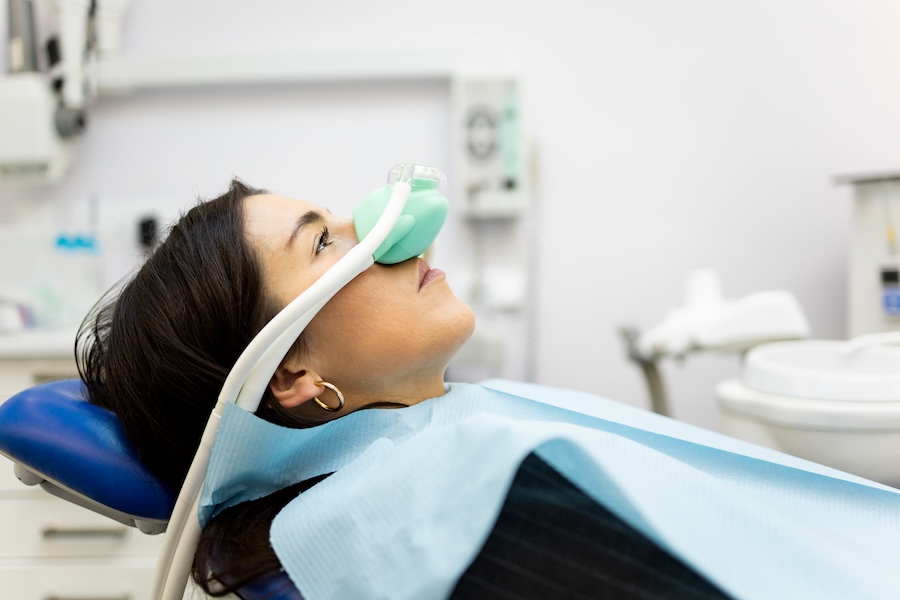
It’s given through a small mask over your nose, and it starts working within a few minutes. Most patients describe it as a calm, slightly floaty feeling where you’re relaxed but still fully aware of what’s going on.
Because it’s mild and wears off quickly, it’s often used for shorter or more routine procedures. That might include cleanings if you tend to feel tense, small fillings, or other treatments where you just want to feel more at ease during the visit.
One of the main advantages is that once the mask is removed, the effects wear off quickly. In most cases, you can go right back to your normal routine afterward without needing someone to drive you home.
What Is Oral Conscious Sedation and When Is It Used?
Oral conscious sedation provides a deeper level of relaxation.
It usually involves taking a prescribed medication before your appointment. By the time you arrive, you’ll already feel more relaxed, and during the procedure, most patients feel drowsy and less aware of what’s happening. Some people remember very little afterward.
This option is often used for longer or more involved treatments. For example, if you’re having a crown placed, multiple procedures in one visit, or a tooth extraction, oral sedation can help make the experience feel less intense.
Because the effects last longer, you’ll need someone to drive you to and from your appointment, and it’s a good idea to plan for a slower rest of the day afterward.
How Do You Choose Between Nitrous Oxide and Oral Sedation?
The choice usually comes down to how much support you need during the appointment.
If you’re looking for something light to take the edge off while staying fully alert, nitrous oxide is often a good fit. On the other hand, if you tend to feel more anxious or are planning a longer procedure, oral sedation may make more sense.
Your dentist will walk through your health history, the type of treatment you’re having, and how you typically feel during dental visits. From there, it becomes easier to choose the option that fits both the procedure and your comfort level.
What Does a Visit Feel Like With Sedation?
With sedation, the overall experience tends to feel different from a typical appointment.
Instead of focusing on each step, most patients feel more relaxed and less aware of time passing. This is especially noticeable during longer visits, where things may feel like they go by faster than expected.
You’re still being monitored the entire time, and the dental team stays attentive to how you’re doing. The goal is to keep things steady and comfortable while the treatment is completed.
Why Sedation Dentistry Helps Patients Stay Consistent With Care
When dental visits feel easier to get through, it becomes more realistic to stay on schedule.
That consistency matters. Routine care like cleanings and exams help prevent larger issues, and staying on top of treatment—whether it’s a filling or a crown—keeps things from progressing into something more involved.
For many patients, sedation removes the hesitation that builds up around appointments. Once that barrier is lower, it’s easier to take care of issues earlier instead of waiting until they become more serious.
Sedation Dentistry in Hermitage, TN at Hermitage Family & Cosmetic Dentistry
At Hermitage Family & Cosmetic Dentistry in Hermitage, TN, Dr. Aileen Kruger and Dr. Taylor King offer both nitrous oxide and oral conscious sedation to help patients feel more comfortable during their visits. Whether you’re coming in for a routine cleaning or a more involved procedure like a crown or dental implant, there are options to help you feel more at ease in the chair.
If dental visits have been difficult in the past, it may be worth talking through what would make them easier. You can call the office or schedule an appointment to go over your options and find an approach that works for you.
Contact UsCategorised in: Dental Anxiety, Sedation Dentistry