
Do I Need a Filling? Important Signs That You Might Need One
October 9, 2026 9:00 amA tooth may start reacting to cold water or collecting food in a spot that never bothered you before. Other times, you feel perfectly comfortable and learn about a cavity during a checkup. Both situations can lead to the same question: do I need a filling, and what are we repairing?
When we recommend a filling at Hermitage Family & Cosmetic Dentistry in Hermitage, Tennessee, we’ll show you the area we need to repair. We may be removing decay, rebuilding a small chip, or replacing part of an older filling that has broken. Dr. Aileen Kruger and Dr. Taylor King check how much tooth remains so the repair can stand up to chewing.
A Tooth Starts Reacting to Cold
Cold drinks, sweets, or cool air can trigger sensitivity when a tooth’s protective surface changes. Decay may be responsible, although exposed roots, worn enamel, and cracks can feel similar. If the same tooth keeps stinging, we can test it and check for the damage you can’t see at home.
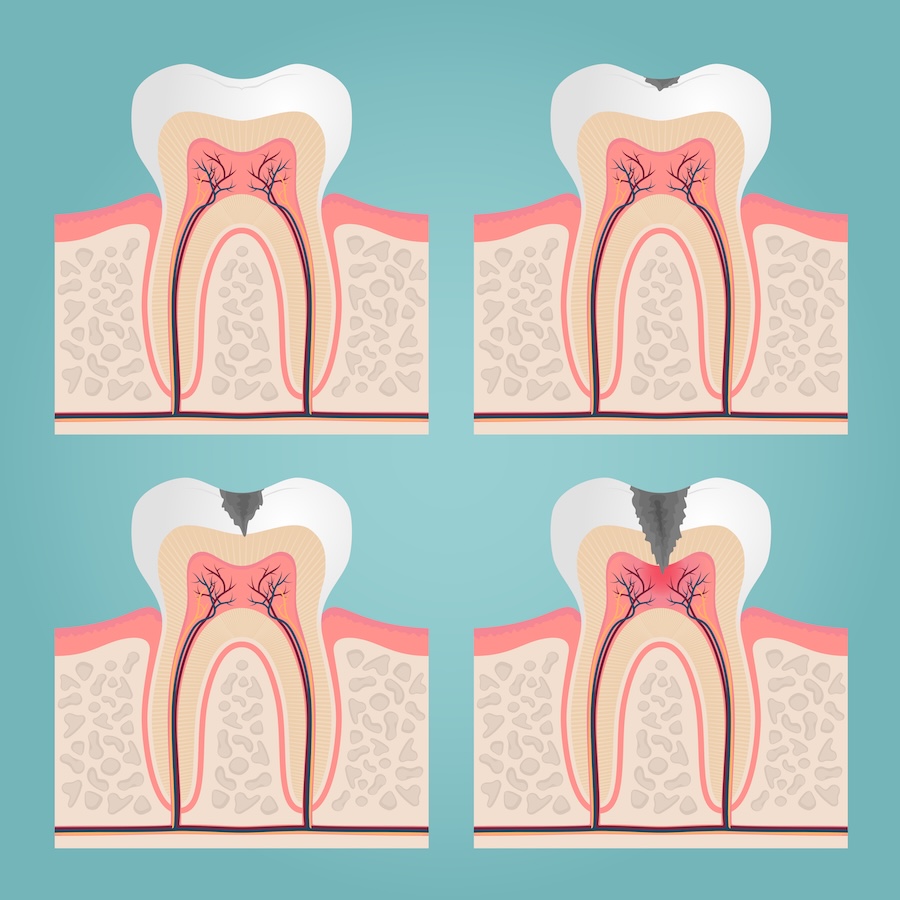
To find out why the tooth reacts, we may check its response to cold, inspect existing dental work, and take X-rays when needed. If an exposed root is causing the twinge, desensitizing toothpaste or covering that surface may help. However, if decay has created a hole, the tooth needs a repair to replace what it has lost.
If the tooth keeps aching after the cold drink is gone, the tissue inside may be inflamed. You might also notice pain that starts on its own or wakes you at night. By then, a filling may not be enough if the damage has reached the nerves and blood vessels inside the tooth.
Food Keeps Catching in One Place
A cavity can create an opening where food collects. You may finish eating and head for the floss before clearing your plate, because the same space feels packed again. A broken filling or a changed contact between teeth can cause similar trouble.
When food keeps packing into the same space, the gum beneath it can become sore and bleed during flossing. A filling may close an opening caused by decay, while a broken edge or gap beside an older restoration may need a different repair. If the problem comes from the way two teeth meet, we need to address that contact so food stops catching there.
Gentle cleaning can remove loose food until the tooth is seen. Sharp objects can injure the gums or scratch a restoration, so they should stay out of the space. If floss repeatedly catches or shreds there, mention that during the appointment.
A Rough Edge or Missing Piece
Your tongue may keep finding an edge that was smooth a week ago. It could be a chip, a worn filling, or a corner that broke away while you were eating. Even without pain, that missing piece may leave the rest of the tooth less supported or expose an area of decay.
If a small corner chips, we may be able to rebuild it with filling material. However, after several repairs, there may be so much filling and so little natural tooth left around it that the remaining walls flex or break when you bite. In that case, a crown or another restoration that covers the weakened areas may give the tooth more support than adding another filling.
Until we examine the tooth, chew away from the damaged edge and choose softer foods. Biting something hard to see whether it still holds can break away more of a weakened corner. If the edge is cutting your tongue or cheek, contact us so we can address it sooner.
Dark Grooves and Tooth Decay
A dark groove can be a stain, and a cavity can develop where you can’t see it. So when you notice a change in color, we check whether the tooth surface is firm or has started breaking down. We may also use X-rays to look between the teeth, where decay can grow without a visible mark.
A stained groove may still have a firm, intact surface, while decay can soften or break down the tooth. X-rays help us look between teeth and beneath some restorations, where a bathroom mirror can’t show the damage. We also compare changes over time, since a dark mark that stays stable may need monitoring rather than drilling.
Before a cavity forms a hole, early mineral loss can sometimes improve with fluoride and better plaque removal. Once tooth structure breaks away, a filling replaces that missing area. During the exam, we can explain whether the surface is still intact and can be monitored or needs a repair.
Old Fillings Can Develop New Problems
A filled tooth still has natural tooth surfaces that can decay. Over time, the restoration’s edges may wear, and new decay can form where it meets the tooth. That may happen without much pain at first.
During exams, we check where the filling meets the tooth for cracks, worn edges, and new decay. If damage stays in a small area, we may be able to repair it while keeping the rest of the filling. If decay has spread farther beneath the filling, we may need to remove it and make a new one. An older filling can stay if it still fits well and the tooth around it is healthy.
After a filling, a tooth that meets first when you close your mouth may have a high spot in the repair. That extra pressure can make chewing sore, and a bite adjustment may help. However, a crack or irritated tissue inside the tooth can hurt under pressure as well. If chewing still hurts or that tooth keeps touching first, we can check the filling’s height and test the tooth itself.
What Happens During a Filling Visit
We first review the planned repair and numb the area when needed. After removing decay or damaged material, we prepare the tooth and place the restoration. For tooth-colored composite, we shape the material and harden it with a curing light.
Once the material is in place, we shape it so the tooth meets your bite and leaves a contact you can clean with floss. You’ll bite on marking paper to help us find any spots that meet too firmly. If we have numbed the area, wait until the numbness wears off before chewing so you don’t bite your cheek or tongue.
Some temporary sensitivity can follow a filling, but it should improve as the tooth settles. If it starts hurting more, keeps aching after a hot or cold drink, or still touches before your other teeth, we’ll need to check it again. After the repair, continue brushing and cleaning between teeth to protect the natural tooth around the filling from new decay.
Tooth Repairs in Hermitage
A recurring twinge, a rough edge, or food that keeps catching can make meals less comfortable even before a toothache develops. Dr. Aileen Kruger and Dr. Taylor King can check the tooth and explain whether we can repair it with a filling or whether it needs more support. Schedule a visit with our Hermitage Family & Cosmetic Dentistry team in Hermitage, Tennessee, and let’s get that tooth checked before you keep working around it!
Categorised in: Dental Fillings