
Wisdom Teeth Removal for Adults: Signs It’s Time and What to Expect After Surgery
May 27, 2026 9:00 amA lot of adults assume that if their wisdom teeth made it this far, they are probably fine. Sometimes that is true. If the teeth came in straight, have enough room, and are easy to clean, they may never cause a problem. However, wisdom teeth can still create trouble later in life, especially when they are partly erupted, impacted, decayed, or difficult to keep clean.
Early symptoms can be easy to miss or explain away. You may notice soreness behind the back molars, swelling around the gum tissue, food getting trapped, jaw tenderness, or a bad taste that comes and goes. These symptoms are easy to brush off, especially when they settle down for a while, but repeated irritation is worth having checked.
At Hermitage Family & Cosmetic Dentistry in Hermitage, TN, Dr. Aileen Kruger and Dr. Taylor King evaluate wisdom teeth with an exam and X-rays before recommending removal. If your wisdom teeth are healthy, fully erupted, and easy to clean, they may not need to come out. However, if they are causing repeated symptoms or putting nearby teeth at risk, removal may be the best next step.
Why Adults May Need Wisdom Teeth Removed
Wisdom teeth usually come in during the late teens or early twenties, but not every problem shows up right away. Some adults go years without thinking about them, only to have one start causing soreness, swelling, or food trapping later on.
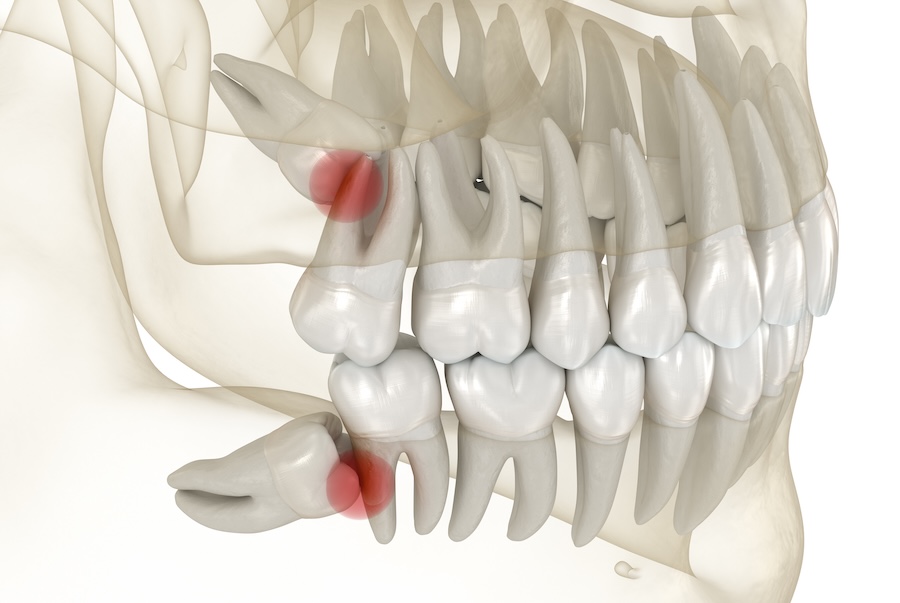
Space is one of the biggest reasons. The back of the mouth may not have enough room for wisdom teeth to come in fully. A tooth may stay trapped under the gums, grow at an angle, or only partly break through the surface. When that happens, cleaning around it can be difficult.
Position also plays a role. A tilted wisdom tooth can press against the second molar, create a food trap, or leave a pocket where bacteria collect. Over time, this can lead to cavities, gum inflammation, infection, or damage to the tooth in front of it.
Adults may also need removal because the wisdom tooth itself has decay. Since wisdom teeth sit so far back in the mouth, brushing and flossing around them can be awkward. If the tooth does not help with chewing or keeps causing problems, restoring it may not make as much sense as removing it.
Soreness or Swelling Behind the Back Molars
One common sign of a wisdom tooth problem is soreness behind the last molar. The gum tissue may feel tender, puffy, or irritated. You may notice discomfort when chewing, brushing, or opening your mouth wide.
This often happens when a wisdom tooth is partly erupted. A flap of gum tissue may sit over part of the tooth, creating a small space where food and bacteria collect. That area can become inflamed and painful, then calm down for a while before flaring up again.
Some adults assume the discomfort is from brushing too hard or biting the cheek. While that can happen, soreness that keeps returning in the same back area deserves a closer look. Wisdom tooth irritation often comes and goes, but the cause may still be there.
If swelling spreads, if you notice drainage, or if the area has a bad taste, schedule an exam promptly. Those symptoms can point to infection around the wisdom tooth.
Jaw Pain, Pressure, or Trouble Opening Your Mouth
Wisdom teeth can sometimes cause jaw soreness or pressure near the back of the mouth. At first, the discomfort may feel dull, almost like tension. Then it may become more noticeable when chewing, yawning, or opening wide.
A wisdom tooth that is impacted or angled can place pressure on nearby tissue. Inflammation around the tooth may also make the jaw feel tight or tender. Some patients notice pain that seems to travel toward the ear or along the side of the face.
Trouble opening your mouth fully can happen when the gum tissue around a wisdom tooth becomes inflamed. When that happens, eating and brushing can become harder, which may make the irritation worse.
Jaw pain can have several causes, including clenching, TMJ problems, sinus pressure, or other dental issues. However, if the discomfort is near the back molars and comes with swelling, food trapping, or a bad taste, wisdom teeth should be part of the evaluation.
Food Getting Trapped or a Bad Taste in the Back of the Mouth
Food trapping behind the last molar is more than an annoyance. It can be a sign that a wisdom tooth is partly erupted, tilted, or creating a space that is hard to clean.
When food and bacteria stay trapped around a wisdom tooth, the area can develop a bad taste or odor. You may feel like you need to rinse or floss that spot constantly, but it never feels completely clean.
This can become a frustrating cycle. Food gets stuck, the gums become irritated, and brushing the area becomes uncomfortable. Then the spot gets even harder to clean well.
If a wisdom tooth is positioned in a way that keeps trapping food, removal may be recommended. The goal is not only to stop discomfort now, but also to protect the tooth in front of it from decay or gum problems.
Cavities on a Wisdom Tooth or the Tooth Beside It
Wisdom teeth are difficult to clean because they sit so far back in the mouth. Even people with good brushing habits may miss the back edge of a wisdom tooth or the tight space between the wisdom tooth and the second molar.
If a wisdom tooth develops a cavity, Dr. Kruger or Dr. King will consider whether restoring it makes sense. A fully erupted wisdom tooth that helps with chewing and can be cleaned well may sometimes be treated. However, if the tooth is poorly positioned or likely to keep causing problems, removal may be the better choice.
The bigger concern is when a wisdom tooth contributes to decay on the second molar. A tilted wisdom tooth can create a food trap or press against the neighboring tooth, making it easier for decay to form in a hard-to-reach area.
During an exam, X-rays can help check for cavities, bone changes, and the relationship between the wisdom tooth and nearby teeth. That information helps determine whether monitoring, treatment, or removal makes the most sense.
Repeated Gum Infections Around a Wisdom Tooth
A partly erupted wisdom tooth can lead to repeated gum infections around the back of the mouth. This often happens when bacteria collect under gum tissue around the tooth.
Symptoms may include redness, swelling, tenderness, pain when biting, a bad taste, drainage, or swollen lymph nodes. Sometimes the area improves with cleaning or medication, then returns weeks or months later.
Repeated infections are a sign that the tooth may not be positioned in a way that allows the area to stay clean. If the same wisdom tooth keeps causing inflammation, removal may be recommended to stop the cycle.
For adults, waiting through repeated flare-ups can make the problem harder to manage. Infection and inflammation can affect nearby gum tissue, bone, and the second molar. An exam can help you decide whether it is time to remove the tooth instead of treating the same irritation again.
Do All Adults Need Wisdom Teeth Removed?
No. Some adults keep their wisdom teeth without problems. If the teeth are fully erupted, properly positioned, free of decay, surrounded by healthy gums, and easy to clean, removal may not be needed.
The decision depends on what the wisdom teeth are doing now and what risks they may create. A tooth that is impacted, partly erupted, decayed, infected, or damaging a nearby tooth is more likely to need removal.
X-rays are especially helpful because not all wisdom tooth problems are visible in the mirror. A wisdom tooth can sit under the gums at an angle or press against another tooth without causing obvious symptoms at first.
At Hermitage Family & Cosmetic Dentistry, Dr. Kruger or Dr. King can review your X-rays, examine the area, and explain whether your wisdom teeth should be monitored or removed. The recommendation should be based on your mouth, not a blanket rule.
What Happens Before Wisdom Teeth Removal
Before wisdom teeth removal, your dentist will examine your mouth and review X-rays. The imaging helps show the position of the wisdom teeth, root shape, bone level, nearby teeth, and any signs of infection or decay.
You will also review your health history, medications, allergies, and any medical conditions that could affect treatment or healing. This step is especially important for adults who take blood thinners, have diabetes, have a history of heart conditions, or have had complications with dental treatment in the past.
The team will explain whether the tooth appears simple or more complex to remove. A fully erupted wisdom tooth may be more straightforward. An impacted tooth under the gums or bone may require a surgical approach.
This is also the time to ask about recovery, time off work, pain control, food choices, and transportation if sedation or certain medications are used. Adults often have more schedule planning to do, so it helps to know what the first few days may look like.
What Wisdom Teeth Surgery Is Like
During wisdom teeth removal, the area is numbed so you should not feel sharp pain. You may still feel pressure or movement, which is normal. If a tooth is fully erupted, it may be loosened and removed like a standard extraction. In many cases, sedation dentistry options, like nitrous oxide and oral conscious sedation, can help patients feel more relaxed. With some forms of sedation, patients may remember very little about the appointment afterward, which can be helpful for those who feel especially anxious about dental treatment.
If the wisdom tooth is impacted, the dentist may need to open the gum tissue or remove the tooth in sections. That can sound unpleasant, but it is a common way to remove a tooth more carefully when access is limited.
After the tooth is removed, the socket is cleaned, and gauze is placed to help a blood clot form. Stitches may be used depending on the procedure.
Before you leave, the team will review instructions for bleeding, swelling, eating, brushing, medication, and activity. These instructions are worth following closely because the first few days play a big role in healing.
What Recovery Looks Like After Surgery
Recovery after wisdom teeth removal varies from person to person. Some adults have a fairly quick recovery, especially after simple removal. Others need more time, particularly if the teeth were impacted or more than one tooth was removed.
The first day is usually about rest, gauze changes, soft foods, and protecting the blood clot. Mild bleeding, swelling, and soreness are common. Cold compresses may help during the first day, and pain medication should be taken as directed.
Soft foods are usually best at first. Applesauce, yogurt, mashed potatoes, scrambled eggs, smoothies eaten with a spoon, soup that is not too hot, and soft pasta can be easier to manage. Avoid straws, crunchy foods, spicy foods, hot liquids, seeds, and anything that may disturb the extraction sites.
Over the next few days, soreness and swelling should gradually improve. Many adults return to normal activities within a few days, but more involved surgeries may require a longer recovery window.
How to Lower the Risk of Dry Socket
Dry socket can happen when the blood clot in the extraction site is lost or does not form properly. It can expose the bone and cause significant pain a few days after surgery.
To reduce the risk, avoid straws, smoking, vaping, forceful rinsing, and spitting during the early healing period. These actions can loosen the clot. Follow the cleaning instructions you receive, and be gentle around the extraction sites.
If pain suddenly becomes worse after it had started to improve, or if you notice a bad taste, odor, or pain traveling toward the ear, call the dental office. Dry socket can be treated, but it should not be ignored.
Adults who smoke or vape should talk with the dental team before surgery about how to reduce risks during healing. A few days of careful aftercare can make recovery much easier.
When to Call After Wisdom Teeth Removal
Some soreness, swelling, and minor bleeding are expected after wisdom teeth removal. However, certain symptoms should be checked.
Call Hermitage Family & Cosmetic Dentistry if bleeding does not slow down, swelling worsens after a few days, pain becomes severe, or you develop fever, pus, or a bad taste that does not improve. You should also call if you have trouble breathing, swallowing, or opening your mouth.
If stitches come loose sooner than expected or you are unsure whether something is normal, it is better to ask. Recovery is not something you have to figure out alone from internet searches and guesswork.
The team can tell you whether your symptoms sound typical, whether an office visit is needed, or whether a change in your aftercare routine may help.
Wisdom Teeth Removal for Adults in Hermitage, TN
Wisdom teeth can stay quiet for years and then start causing soreness, swelling, food trapping, cavities, or repeated gum infections. For adults, removal may be recommended when the teeth are impacted, partly erupted, difficult to clean, decayed, or putting nearby teeth at risk.
At Hermitage Family & Cosmetic Dentistry in Hermitage, TN, Dr. Aileen Kruger and Dr. Taylor King can evaluate your wisdom teeth with an exam and X-rays. If removal is needed, they can walk you through the procedure, recovery, and steps that help protect healing after surgery.
If your back gums keep swelling, your jaw feels sore, food gets trapped behind your molars, or you have been told your wisdom teeth may be a problem, schedule a visit with Hermitage Family & Cosmetic Dentistry. Getting answers now can help you avoid a more painful flare-up later.
FAQs
Can adults still get wisdom teeth removed? Yes. Adults can have wisdom teeth removed if the teeth are causing pain, infection, decay, gum problems, crowding, or damage to nearby teeth.
Is wisdom teeth removal harder for adults? Adult wisdom teeth removal can sometimes be more involved because roots may be fully formed and bone may be denser. The difficulty depends on tooth position, root shape, and overall oral health.
How do I know if my wisdom teeth need to come out? Common signs include back gum swelling, jaw pain, food trapping, bad taste, cavities, repeated infections, or pressure near the molars. X-rays are needed to fully evaluate the teeth.
How long does recovery take after wisdom teeth removal? Many adults feel better within a few days, but full healing takes longer. Impacted wisdom teeth or surgical removal may require a longer recovery period.
What should I eat after wisdom teeth surgery? Soft foods are best at first. Try yogurt, applesauce, mashed potatoes, scrambled eggs, soft pasta, and smoothies eaten with a spoon. Avoid straws, crunchy foods, hot foods, and seeds early in recovery.
What is dry socket? Dry socket happens when the blood clot in the extraction site is lost or does not form properly. It can cause strong pain a few days after surgery and should be treated by a dentist.
Categorised in: Wisdom Teeth